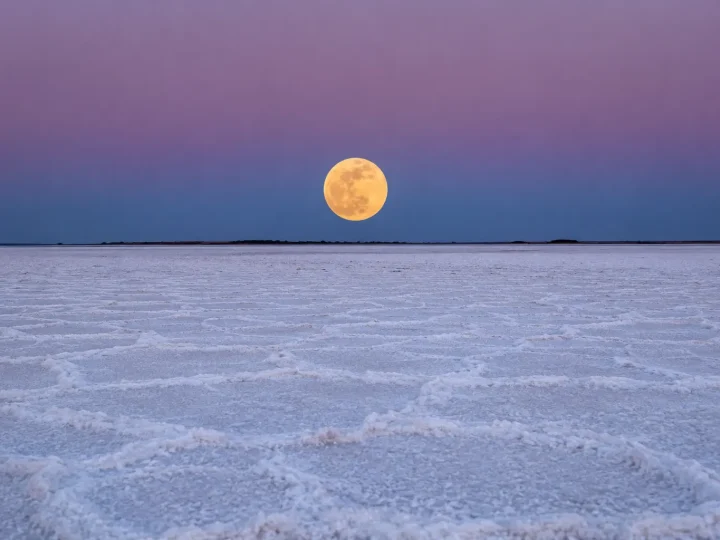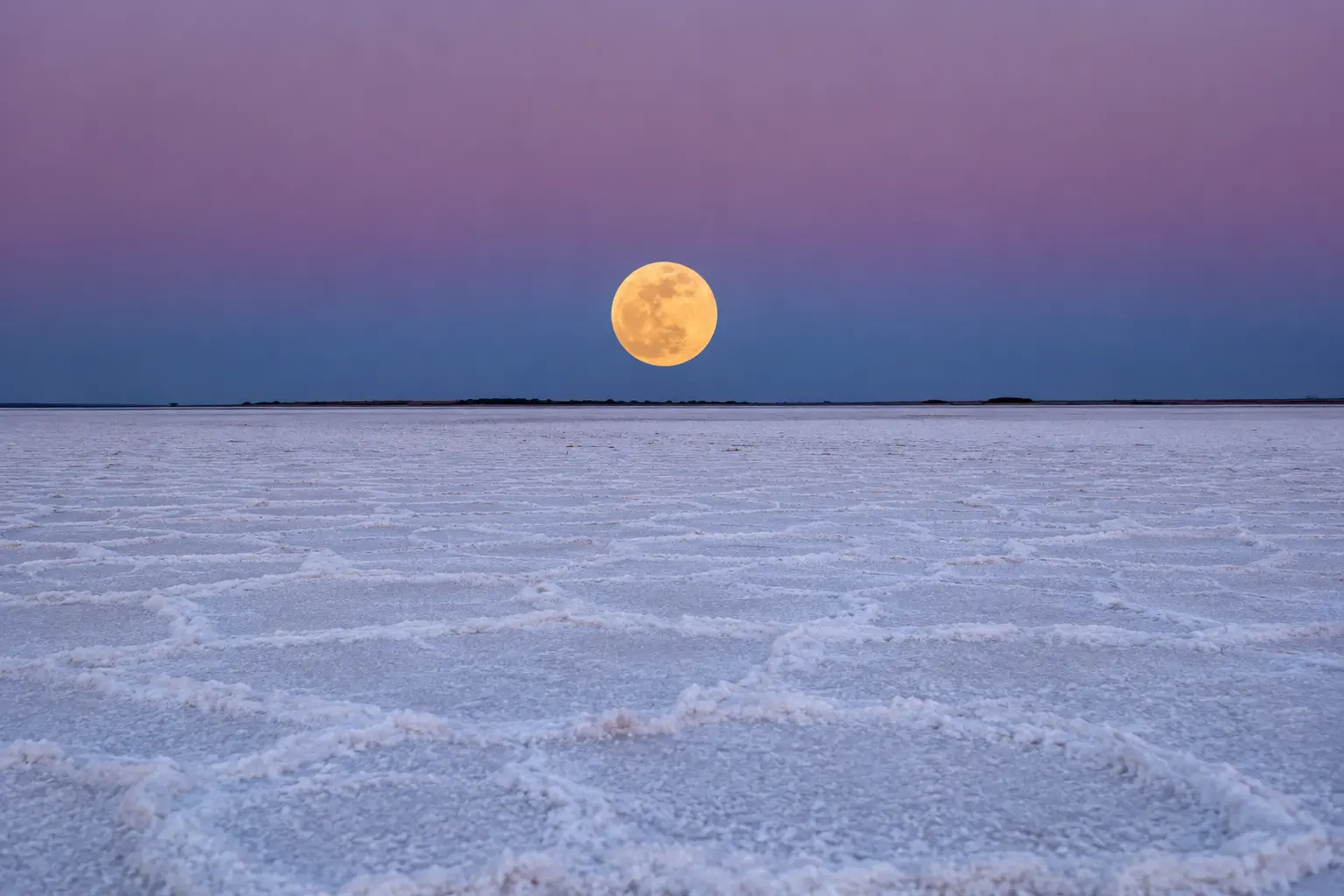
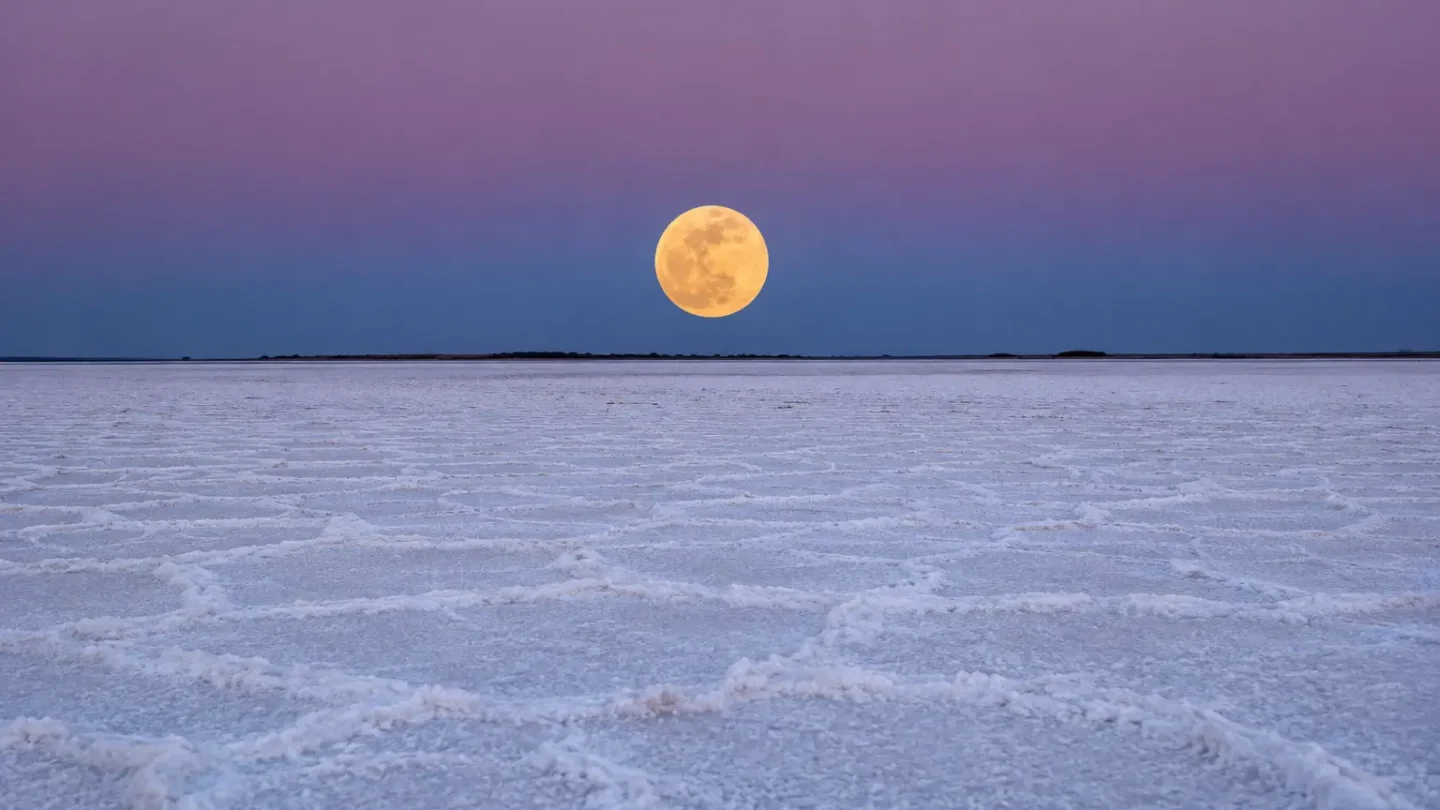
The full moon rann of Kutch is one of the most magical sights in India. On Purnima nights, moonlight bounces off the salt crust of the white desert, making it look like a sheet of silver stretching to the horizon. If you want to see this glow at its best, plan your trip around the full moon dates of Rann Utsav.
We have hosted thousands of guests during these nights, and we can tell you – no photo fully captures it. You have to stand on the salt and see it yourself.
Why the Full Moon Changes Everything at Rann Utsav
During the day, the Rann of Kutch is bright white under the sun. At night, especially around Purnima, the salt flat reflects moonlight so strongly that you can see your own shadow on the ground.
This is what makes the full moon Rann Utsav experience different from a regular visit:
- The salt desert turns silver-white instead of going dark
- Temperatures drop and the air feels cooler and calmer
- Cultural performances and bonfires at tent city feel more festive
- Photography (especially silhouettes and long exposures) comes out far better
Locals in Dhordo have watched this happen every month for generations, and it’s the reason Rann Utsav events are scheduled around the lunar calendar in the first place.
Best Full Moon Dates to Visit (Season 2026-27)
The Rann Utsav season usually runs from late October/November to February. Here are the approximate Purnima nights to target. Always confirm exact dates with us before booking, since the festival calendar is set closer to the season.
| Month | Approx Full Moon Date | Notes |
|---|---|---|
| November | Early-Mid November | Pleasant weather, fewer crowds |
| December | Mid-Late December | Peak season, book tents early |
| January | Mid January | Coldest nights, clearest skies |
| February | Early-Mid February | Last full moon of the season |
If clear skies and the brightest full moon white desert Kutch views matter most to you, January is usually the best bet. The air is dry and the sky stays clear most nights.
What to Expect on a Full Moon Night
Sunset to Moonrise
The evening starts with a sunset over the salt flats, followed by a short wait as the sky darkens. Moonrise timing shifts daily, so we always check the local moonrise time before planning your visit to the rann.
On the Salt Flats
Once the moon is up, the entire desert lights up in a soft white-blue tone. Many guests just sit quietly on the salt for a while – it’s that kind of place.
Back at Tent City
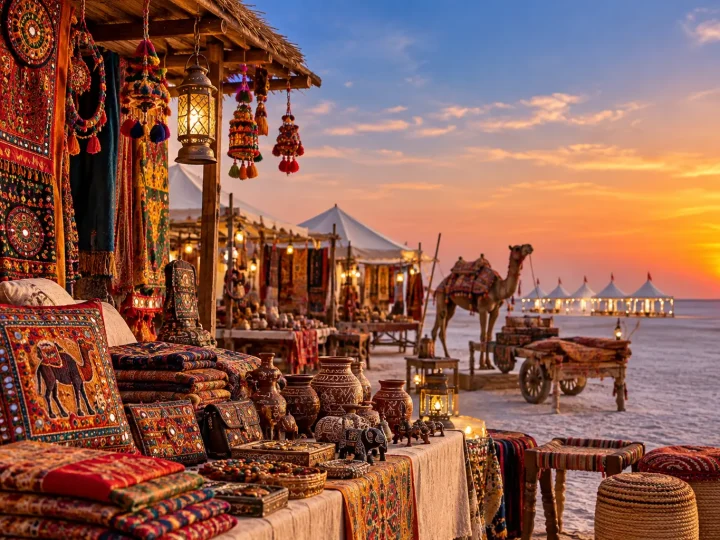
After the rann visit, most nights end with folk music, Kutchi dance performances, and local food back at the tent city. It’s a nice contrast – festive lights and music after the silence of the desert.
Where to Stay for Full Moon Nights
Your stay matters as much as your timing. We offer a few different stay styles depending on comfort level and budget.
| Stay Option | Best For | Distance from Rann |
|---|---|---|
| Swiss Tent (Tent City) | Full festival experience, cultural shows | 2-3 km |
| Deluxe/Premium Tents | Couples, families wanting more comfort | 2-3 km |
| White Rann Resort | Guests who prefer resort-style rooms | 4-5 km |
All of these are within easy reach of the salt desert, so you won’t lose much time getting to the viewpoint before moonrise.
How to Plan Your Trip
Choosing the Right Package
We have several Rann Utsav packages built around different trip lengths and group sizes. If you’re short on time, our Rann Utsav package from Ahmedabad covers transport, stay, and sightseeing in one go, which works well for a quick weekend full moon trip.
Booking Your Tent Early
Full moon weekends fill up fast, especially in December and January. We recommend booking your tent city stay at least 3-4 weeks in advance for these dates.
What to Pack
- A light jacket or shawl – nights get cold even though days are warm
- Comfortable footwear for walking on salt
- A camera with manual settings if you want good night shots
- Sunglasses for the daytime visit, since the white salt reflects strong sunlight
A Quick Word on Distances
If you’re coming from Ahmedabad, the drive to Dhordo (where the Rann Utsav festival is held) takes about 7-8 hours by road. Many guests break the journey with a night halt, then arrive in time for an evening visit to the rann.
Frequently Asked Questions
1. What is the full moon Rann of Kutch?
It’s the period during Purnima (full moon night) when the white salt desert near Dhordo reflects moonlight, making the entire rann glow silver-white. It’s one of the main reasons people plan their Rann Utsav visit around lunar dates.
2. Is the full moon white desert Kutch visit included in regular packages?
Yes, most of our Rann Utsav packages include a visit to the white desert. If you want the full moon experience specifically, just mention it while booking so we can match your dates to the lunar calendar.
3. Which month has the best full moon views at Rann Utsav?
December and January usually offer the clearest skies and coldest, crispest nights, which makes the moonlight on the salt look its brightest.
4. Do I need to stay overnight to see the full moon desert?
You don’t have to stay overnight at the rann itself (overnight stay there isn’t allowed), but you do need to stay nearby – at the tent city or a resort – so you can visit in the evening and return comfortably afterward.
5. How do I book a tent for a full moon weekend?
You can book directly with us through our tent city booking page. We suggest booking a few weeks ahead for full moon weekends since these dates are the most popular of the season.