
 November 2026
Pushkar, Rajasthan
Pushkar Camel Fair
Luxury tents a short walk from the fairground and the ghats.
Dates November 2026
Details
Bodh Gaya, Bihar
The Wheel of Time, taught at Bodh Gaya — and a heated camp for a winter teaching that runs for days.
The festival
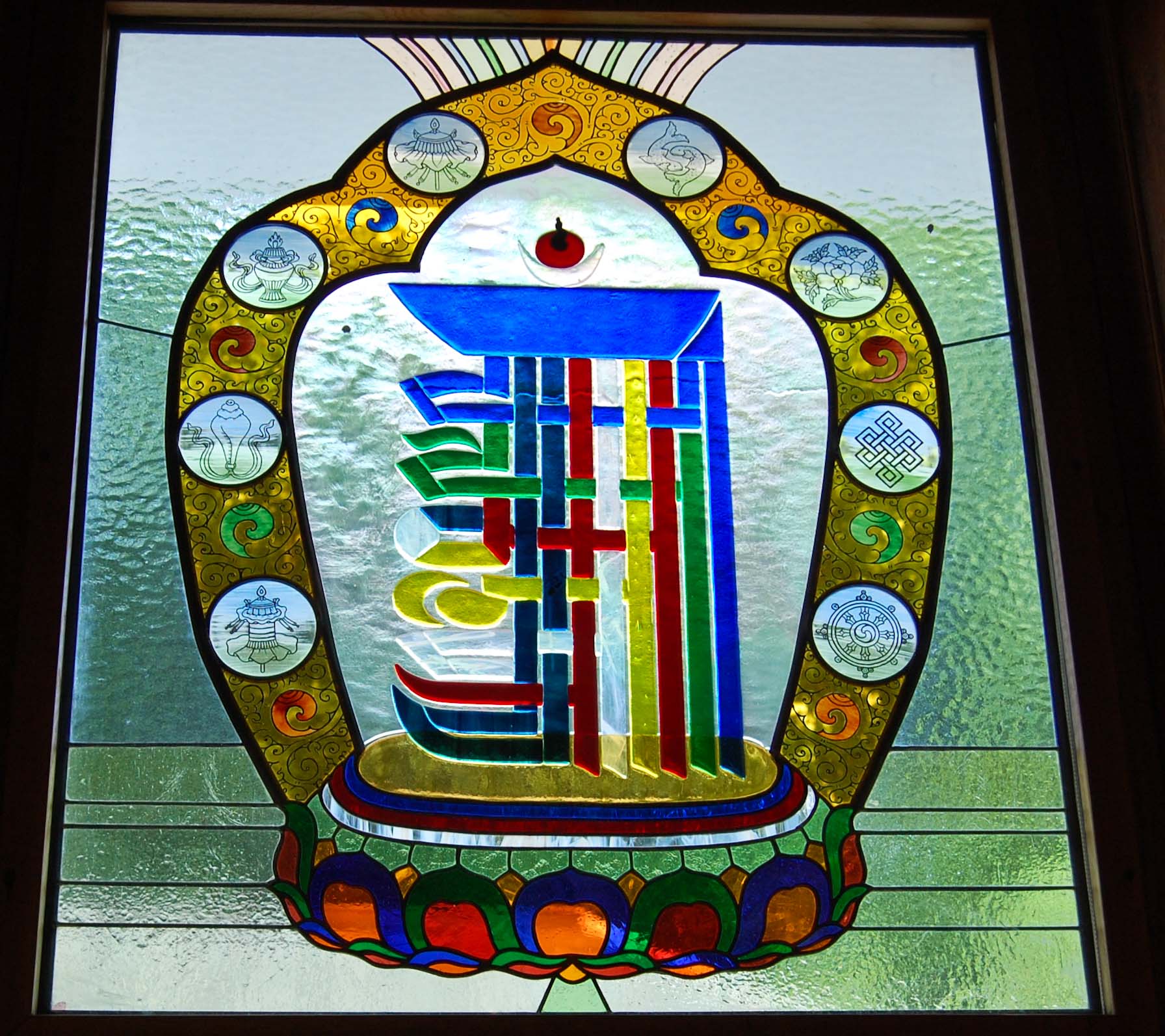
The word kalachakra means cycles of time, and the Kalachakra system presents three such cycles – external, internal and alternative. The external and internal cycles deal with time as we normally know it, while the alternative cycles are practices for gaining liberation from these two.
The structures of the external and internal cycles are analogous, similar to the parallel between macrocosm and microcosm discussed in Western philosophy. This means that the same laws that govern a universe also pertain to atoms, the body and our experience of life.
The practices of the alternative cycles also follow this structure so as to allow us to engage with and surmount these forces in an efficient manner. Such mimicking is, in fact, one of the distinguishing features of the anuttarayoga tantra method.
Time, in Buddhism, is defined as a measurement of change. For example, a month is the measurement of change involved either externally in the moon circling the earth or internally in a woman going from one menstruation to the next. Such changes are cyclical in that the pattern repeats, although the events of each cycle are not completely identical. Externally, the universe passes through cosmic, astronomical, astrological and historical cycles.
On an internal level, the body goes through physiological cycles, many of which bring about associated mental and emotional cycles as well. Furthermore, just as universes form, expand, contract, disappear and then form once again, individual beings pass through continuing rebirths with repeated conception, growth, old age and death.
Normally the passage of time exercises a debilitating effect. As we age, our sight, hearing, memory and physical strength gradually weaken and eventually we die. Due to compulsive attachment and confusion about who we are and how we exist, we take rebirth without any control over its process or circumstances, each time having to relearn everything we knew before.
As each of our lives unfolds over the course of time, karmic potentials from our previous actions ripen at appropriate astrological, historical and life-cycle moments into the various events we experience. Some of these are pleasant, but many are not. We seem to have little choice about what happens in life.
In short, the external and internal cycles of time delineate samsara – uncontrollably recurring rebirth, fraught with problems and difficulties. These cycles are driven by impulses of energy, known in the Kalachakra system as "winds of karma." Karma is a force intimately connected with mind and arises due to confusion about reality. Imagining that ourselves, others and everything around us exist in the way our mind makes them appear – as if with concrete, permanent identities established from within each being or thing – we act on the basis of this confusion with attachment, anger or stubborn foolishness.
Where you stay
We build a camp on the ground for the length of the fair and take it away again afterwards. Everything in it is trucked in and installed for that window.
Proper beds, solid flooring, running hot water and a sit-out. Not a sleeping bag on the ground.
Installed for the event and maintained through it, including lighting across the site after dark.
A kitchen and dining tent on site, and the tents serviced daily while you are out at the fair.
The people who built the camp are the people running it. Nothing is subcontracted to a local agent.
Practicalities
Gallery
Photographs: Paras manjhi (CC BY-SA 4.0), Sumita Roy Dutta (CC BY-SA 4.0), Andrew Moore from Johannesburg, South Africa (CC BY-SA 2.0), Secretlondon (CC BY-SA 3.0), via Wikimedia Commons.
Also this season
November 2026
Pushkar, Rajasthan
Luxury tents a short walk from the fairground and the ghats.
Dates November 2026
Details January – February 2027
Nagaur, Rajasthan
The second-largest cattle fair in India, and far quieter than Pushkar.
Dates January – February 2027
Details February 2027
National Chambal Sanctuary
Riverside camp on the Chambal, gharial and skimmer country.
Dates February 2027
DetailsQuestions
Not covered here? Call reservations or send an enquiry — someone who has actually been there will answer.
Tell us your dates once the teaching is announced and we will hold tents while there are still tents to hold.
Your trip details