
 2027
Nashik Kumbh Mela
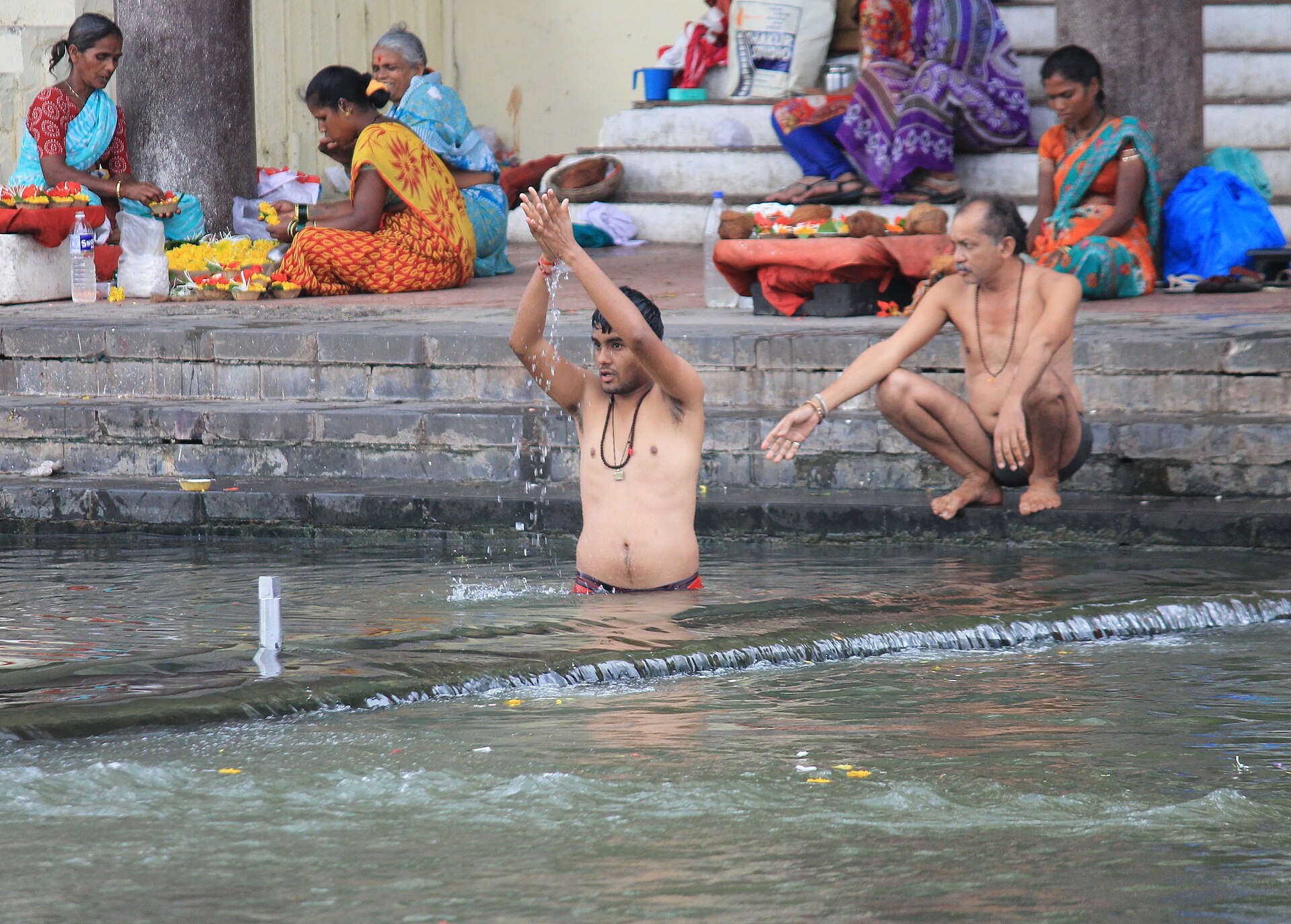
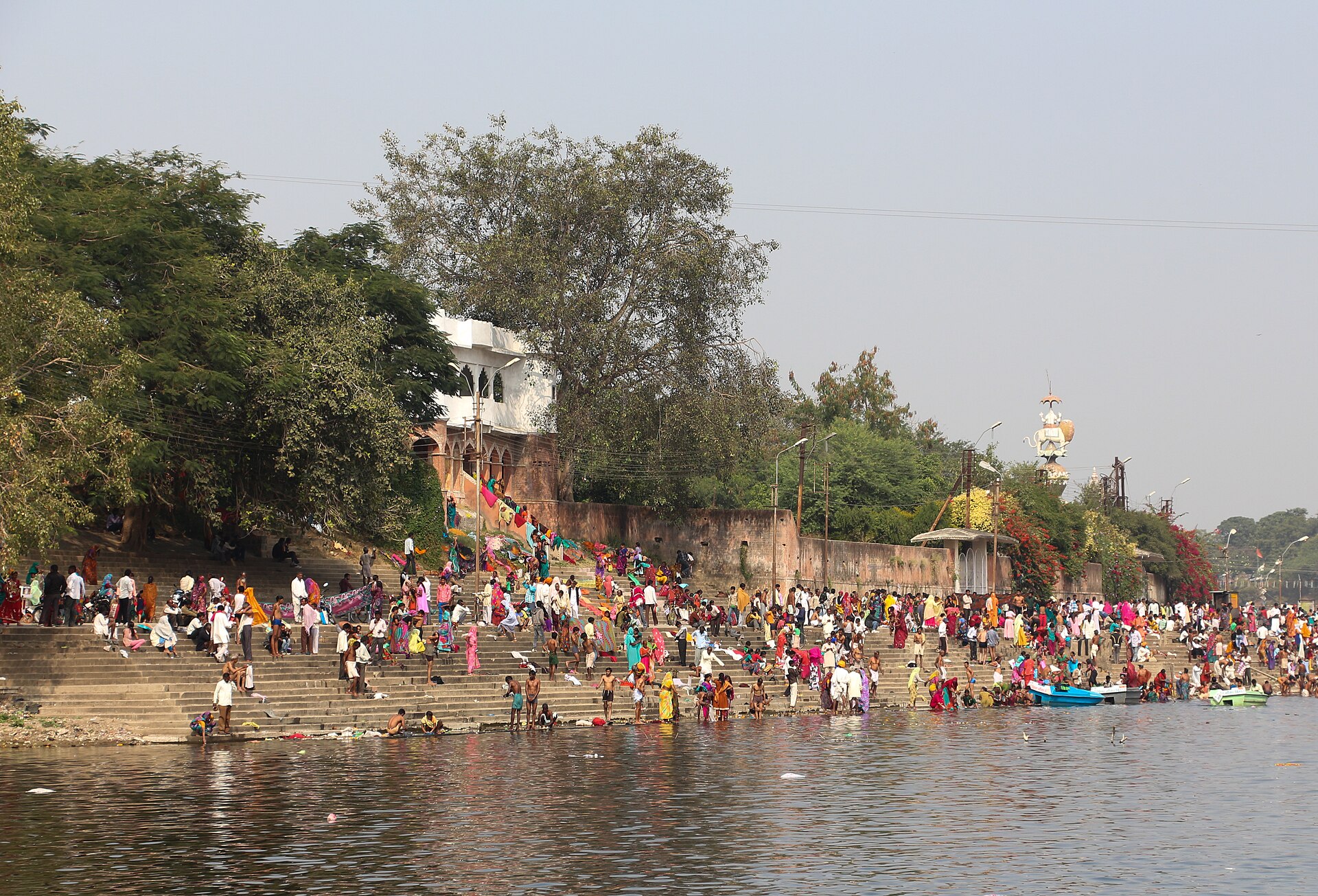
Held once every twelve years on the banks of the Godavari near Kushavarta Kund — the next one falls in 2027.
Godavari
Open
Haridwar · Uttarakhand
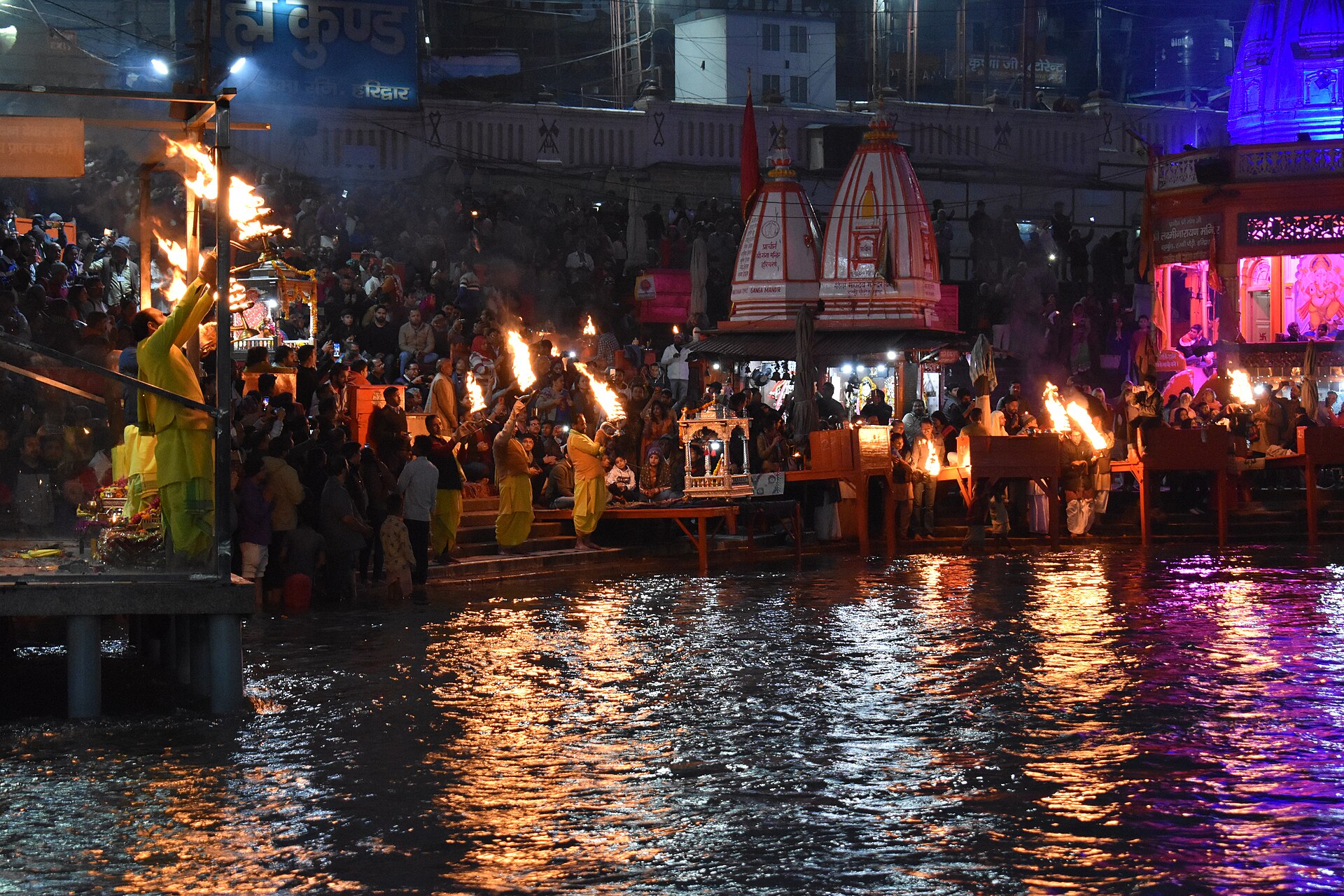
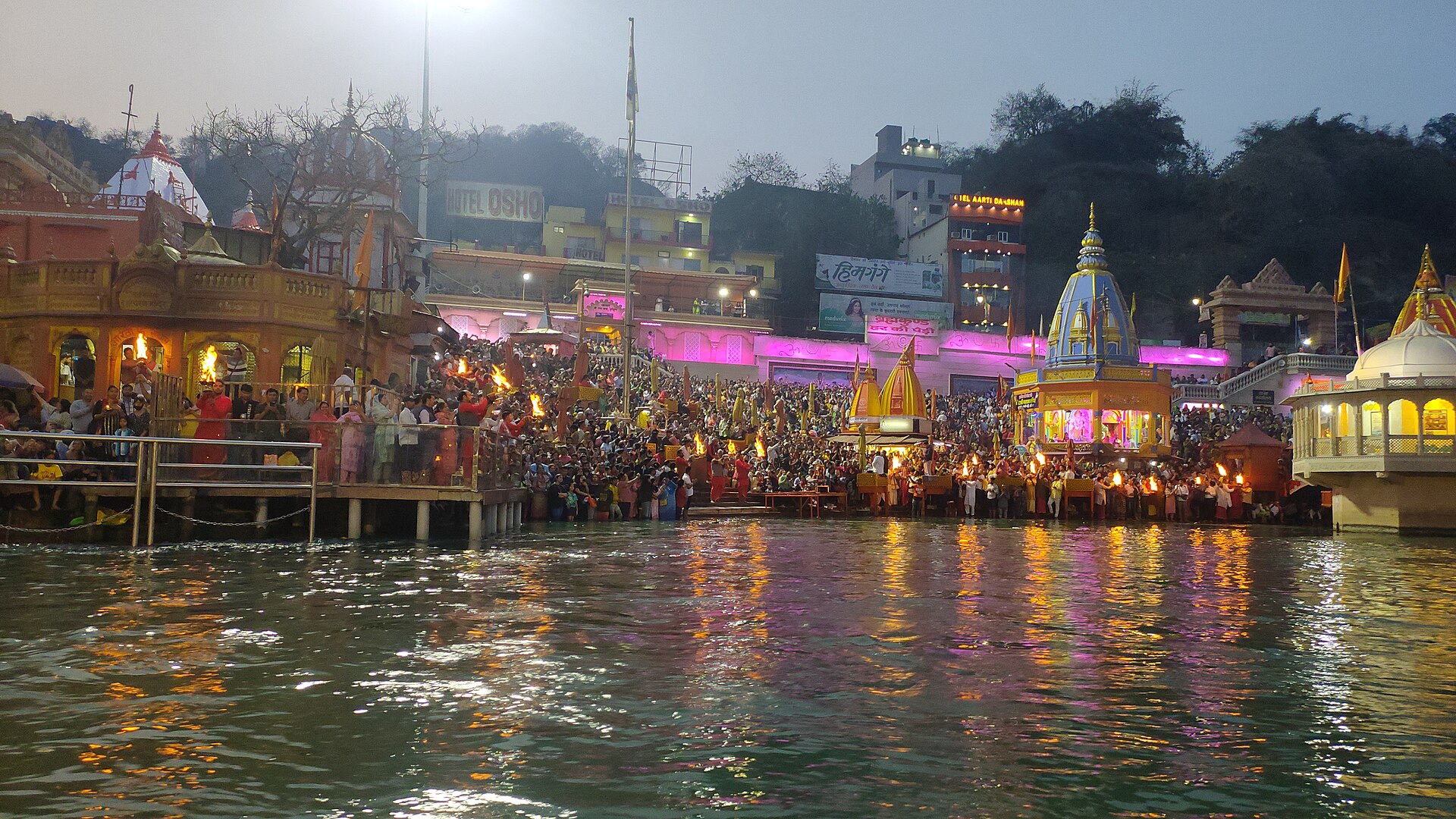
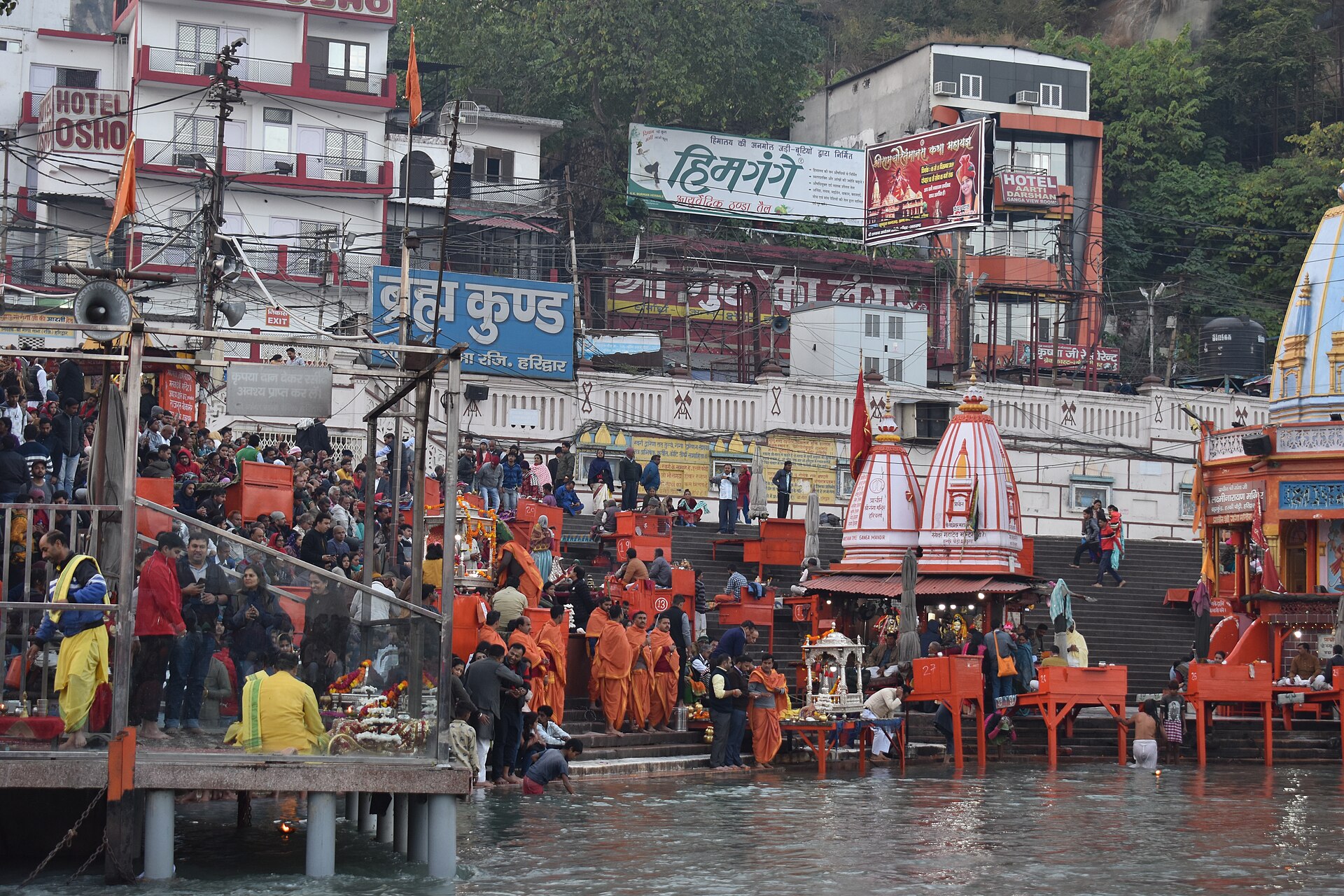
On the banks of the Ganga at Har Ki Pauri — millions of devotees, saints and akharas, ancient rituals and holy baths, in the city known as the gateway to the Himalayas.
The gathering
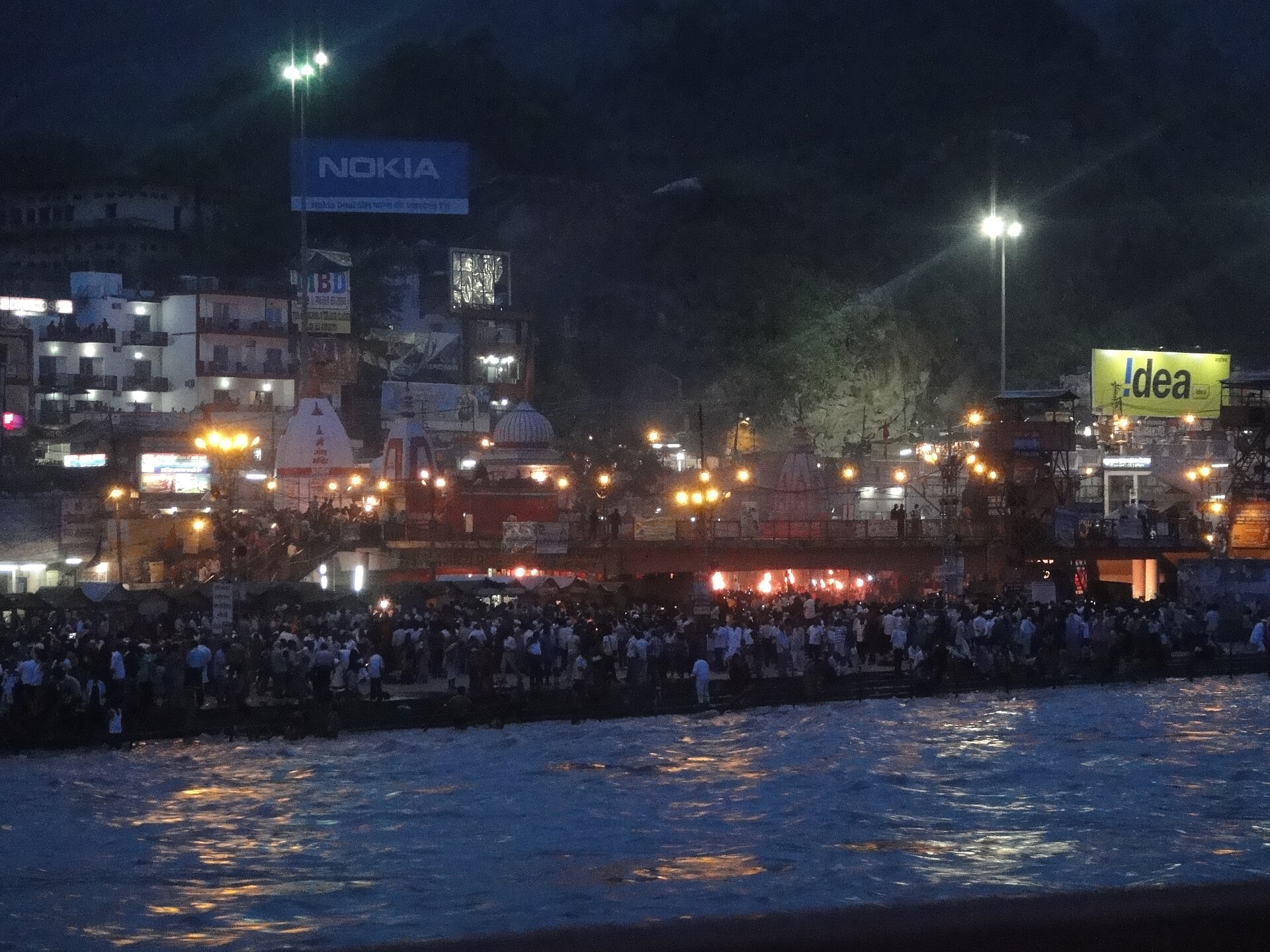
Haridwar Kumbh Mela is one of the most sacred Hindu festivals, celebrated on the banks of the River Ganga. It brings together millions of devotees, saints, akharas and spiritual seekers from across India and the world to take part in ancient rituals, holy baths and spiritual discourses.
Known as the gateway to the Himalayas, Haridwar transforms into a divine land during the Kumbh Mela, filled with chants, devotion and unmatched spiritual energy.
It is a major religious congregation that takes place according to specific astrological alignments — when Jupiter enters Aquarius (Kumbh Rashi) and the Sun enters Aries, a period considered extremely auspicious for spiritual activity. Devotees believe that during the mela the waters of the Ganga become sacred nectar, and that taking a holy dip helps cleanse sins, remove negative karma and lead towards moksha.
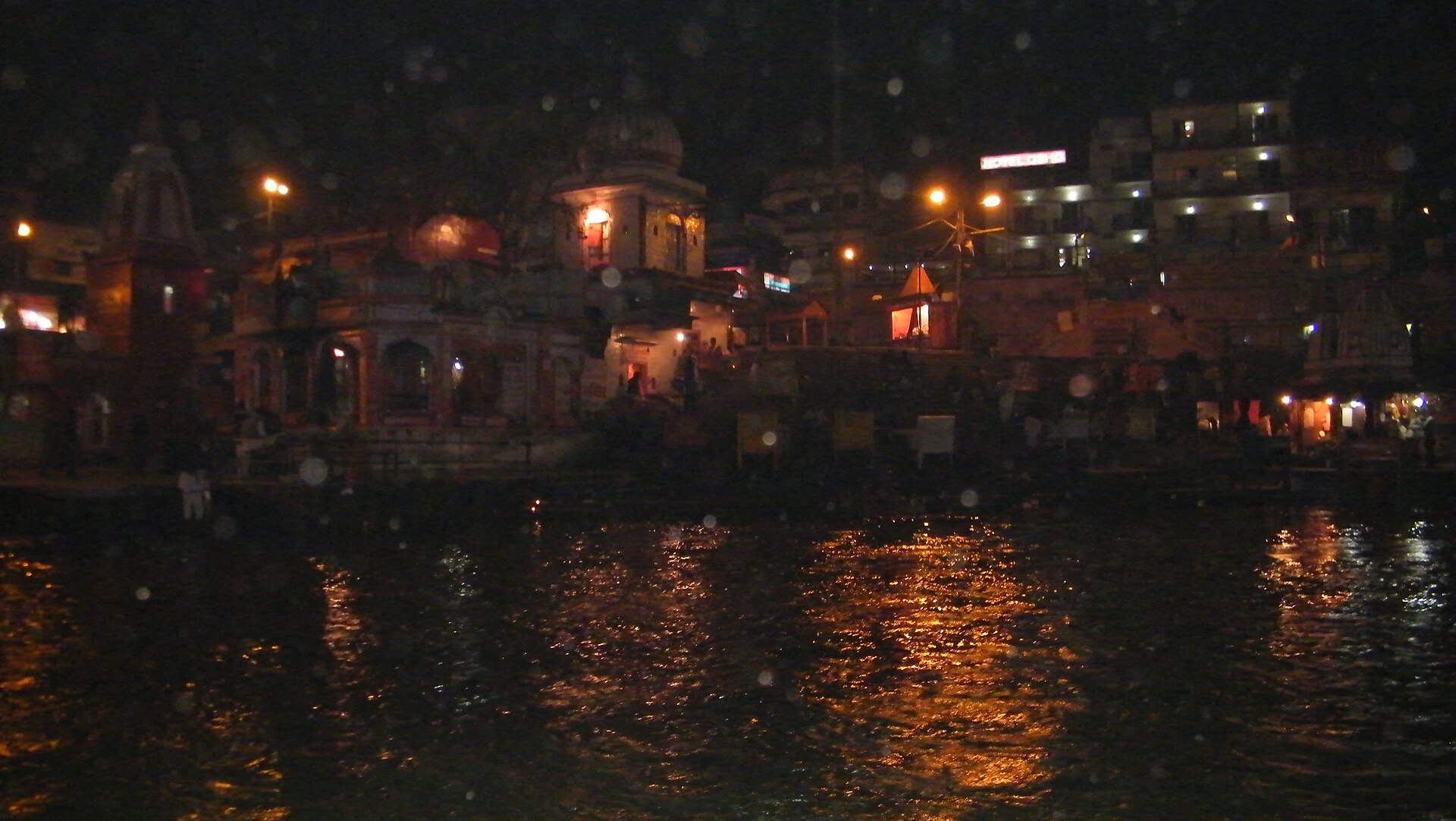
Haridwar is one of the four holy Kumbh sites in India, the others being Prayagraj, Nashik and Ujjain. According to Hindu mythology, during the Samudra Manthan — the churning of the cosmic ocean — drops of Amrit, the nectar of immortality, fell at these four places, making Haridwar eternally sacred. Har Ki Pauri, the ancient temples, the ashrams and the Ganga itself make the mela here deeply meaningful for pilgrims worldwide.
What happens
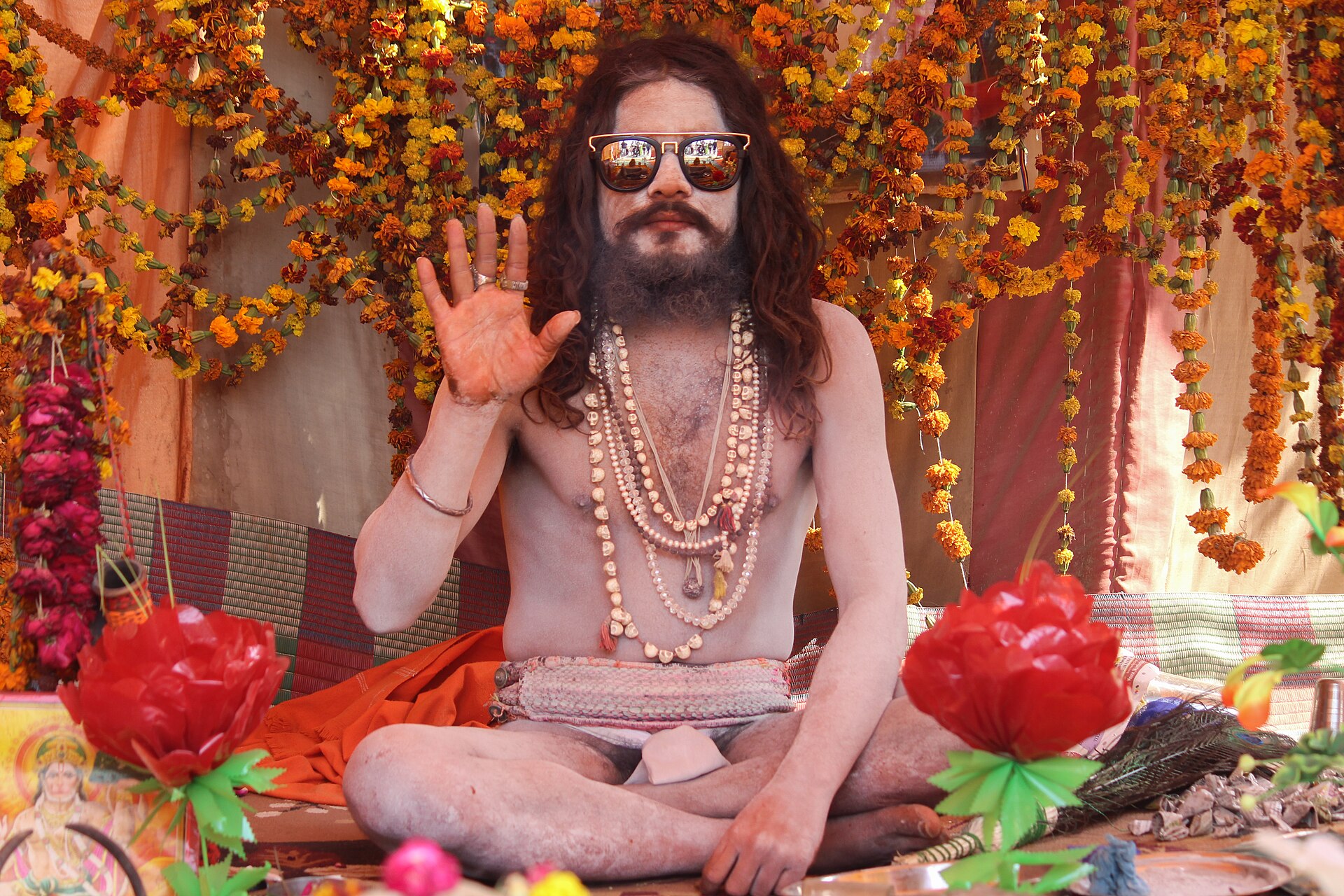
The most important highlight, where saints, Naga Sadhus and akharas lead grand processions to the Ganga for a holy dip. Millions of devotees follow, believing this bath washes away sins and brings spiritual purification.
Ancient akharas — Hindu monastic orders — march with flags, music and chants, showing centuries-old spiritual traditions and discipline. A visual spectacle of India's spiritual heritage.
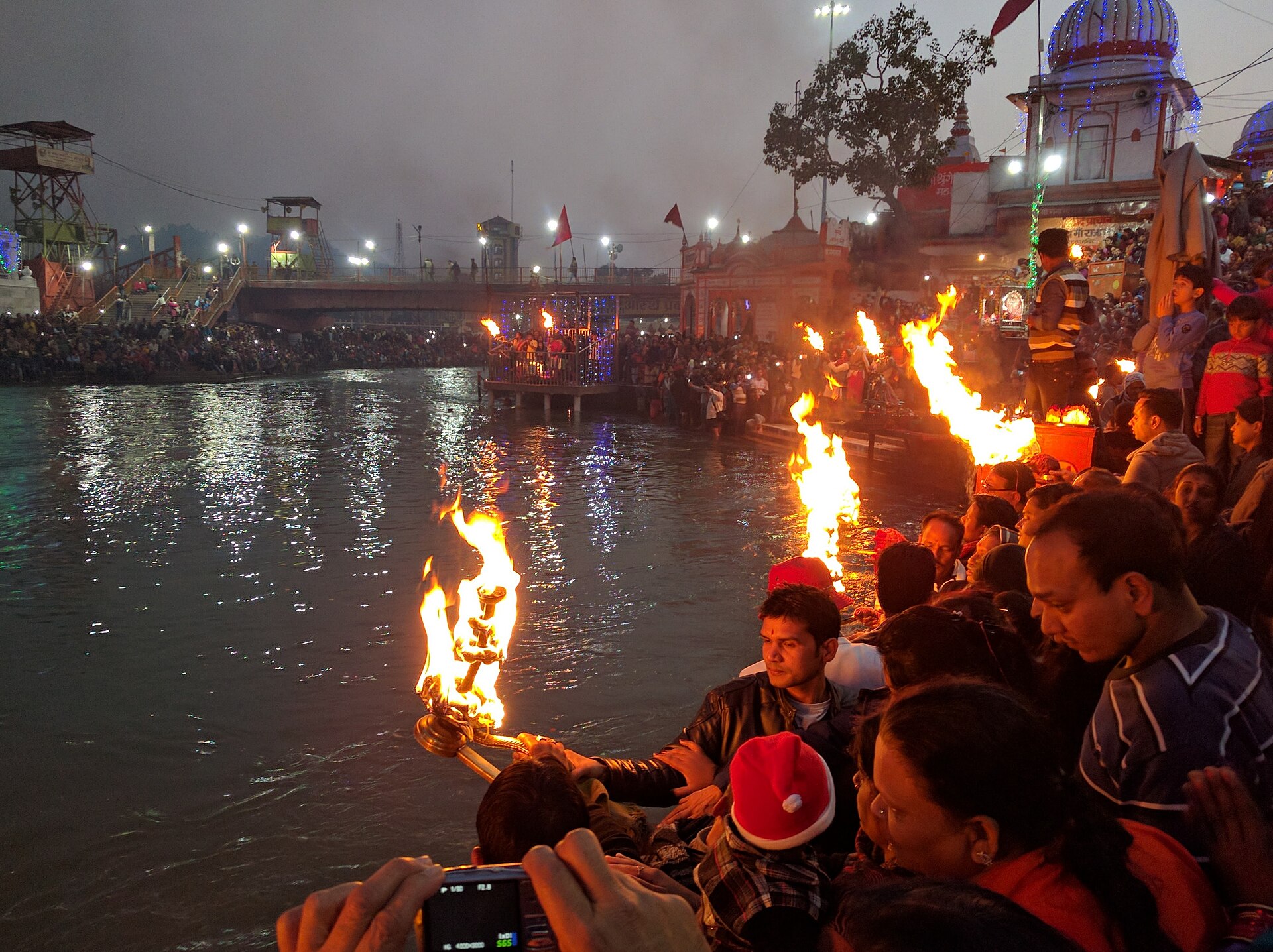
The evening aarti is a soul-stirring experience, with thousands of lamps floating on the river and devotional hymns filling the air — one of the most photographed moments of the festival.
Renowned saints and gurus conduct spiritual talks, meditation sessions, bhajans and kirtans throughout the mela, offering guidance to seekers from all walks of life.
Dates
The Haridwar Kumbh Mela is celebrated every 12 years, while the Ardh Kumbh — the half Kumbh — takes place every 6 years. Because of its scale, planning starts years in advance.
Each mela lasts several weeks, with specific auspicious bathing dates — the Shahi Snan dates — attracting the largest crowds. The main bathing dates are determined by astrological calculation and announced well in advance.
The festival typically takes place between January and April, depending on the astrological calendar. The Shahi Snan days are the most auspicious and draw the largest crowds, so check the official dates before booking.
Why go
Visiting is not just a religious journey — it is a life-changing spiritual experience.
Getting there
Haridwar Junction is directly connected to Delhi, Mumbai, Kolkata, Lucknow and other major Indian cities.
The nearest airport is Jolly Grant, Dehradun, about 45 km away. Regular taxis and buses run from the airport.
Regular buses and taxis operate from Delhi (230 km), Rishikesh (25 km), Dehradun (52 km) and other nearby cities.
Before you go

Staying at the Kumbh
Accommodation at a Kumbh fills years ahead of the bathing dates, and the camps closest to the ghats go first. Adhvanta has planned and operated camps at the Nashik Kumbh and at the Prayagraj Kumbh Mela in 2019 and 2025.
Gallery
Photographs: pavankunar (CC BY-SA 4.0), Athulvis (CC BY-SA 4.0), Mandya patil (CC BY-SA 3.0), Pinakpani (CC BY-SA 4.0), Ramesh Lalwani (CC BY 2.0), via Wikimedia Commons.
From the first sacred dip at sunrise to the Ganga Aarti at sunset, every moment connects you with centuries-old traditions and the divine energy of the Himalayas. This is not just an event — it is a journey of the soul, and a once-in-a-lifetime pilgrimage.
The four sites
2027
Held once every twelve years on the banks of the Godavari near Kushavarta Kund — the next one falls in 2027.
 2028
The Simhastha Kumbh Mela on the Shipra — 9 April to 9 May 2028, thirty days in one of India's seven sacred cities.
 2037
The world's largest religious gathering, at the confluence of the Ganga, the Yamuna and the mythical Sarasvati. The next Maha Kumbh is 2037.
Questions
Not covered here? Call reservations or send an enquiry — someone who has actually been there will answer.
Tell us your dates and how many of you are travelling. We will come back with accommodation options and a written quote within 24 hours.
Your trip details