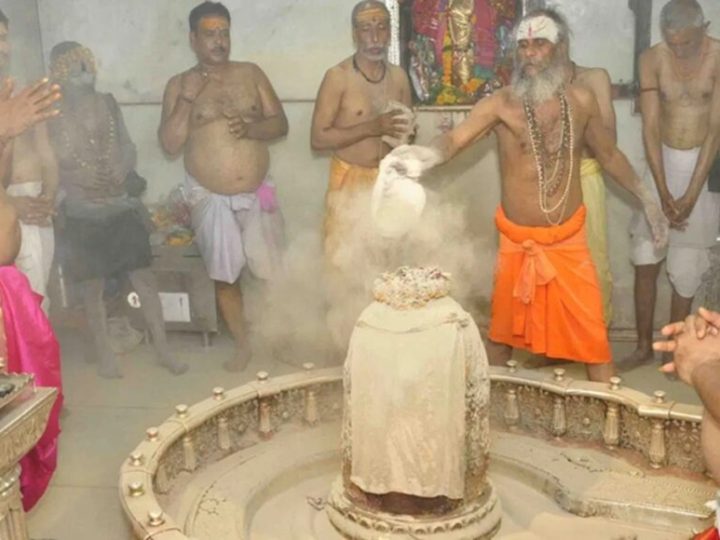
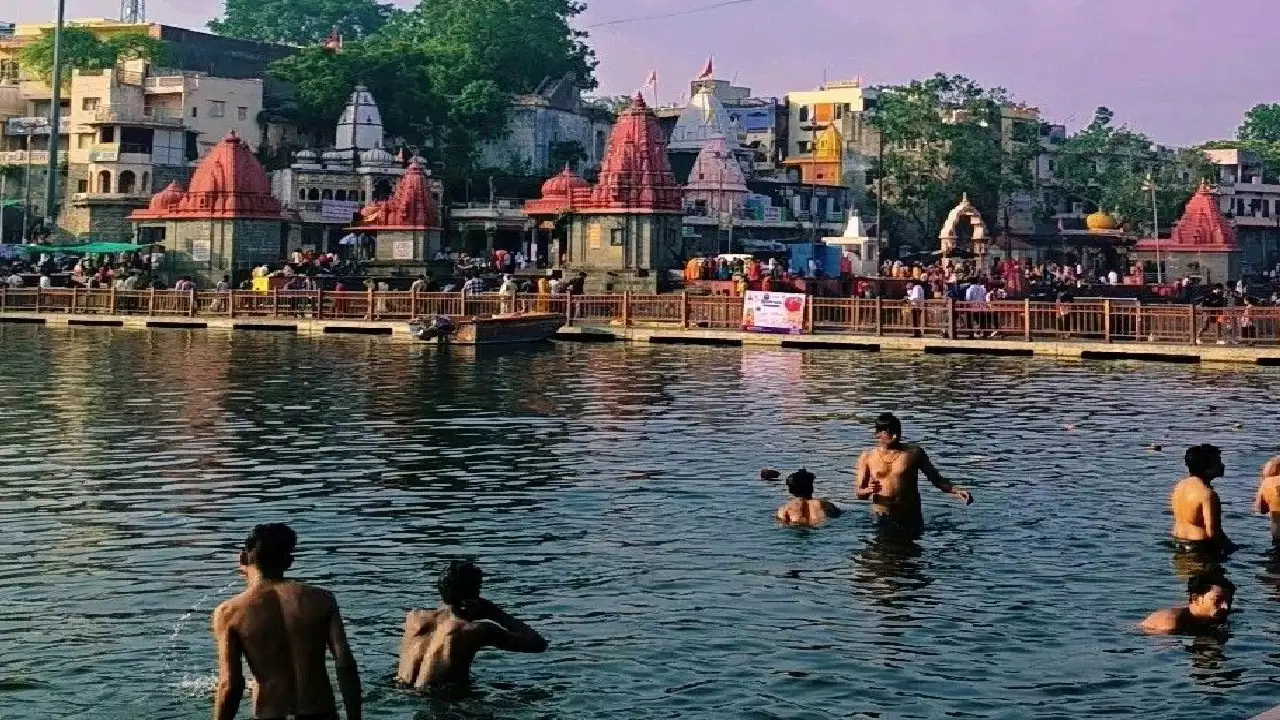
Most people come to the Nashik Kumbh Mela for one reason: the holy dip in the Godavari. But very few pilgrims come for just one day. Most stay for two to four days, and there is a lot of time between bathing days.
Nashik is one of the oldest holy cities in India. According to the Ramayana, Lord Ram, Sita and Lakshman spent part of their exile here, in an area called Panchavati. Almost every corner of the old city has a story. So why not use your free time to see it?
Here is our simple guide to the best places to visit in Nashik during Kumbh Mela 2027, grouped by area so you do not waste time on the road.
First, a Quick Note on Nashik Kumbh 2027
The Nashik Kumbh Mela, also called Simhastha, happens once every 12 years when Jupiter enters the sign of Leo (Simha). It takes place in two places: Nashik city, at Ramkund on the Godavari, and Trimbakeshwar, about 28 km away. The main bathing days fall in August and September 2027. For dates, rituals and travel details, read our complete pilgrim’s guide to Nashik Kumbh 2027.
Part 1: The Panchavati Area (Old Nashik)
These places are close to each other. You can cover most of them on foot in half a day.
1. Ramkund
This is the heart of the Nashik Kumbh. Ramkund is a sacred bathing tank on the Godavari where Lord Ram is believed to have bathed. During the Kumbh, the main royal baths happen here. On other days it is still busy, but much easier to visit. Go early in the morning to see the aarti and the ghats come alive.
2. Kalaram Temple
Just a short walk from Ramkund, this temple is famous for its black stone idol of Lord Ram. It was built in the late 18th century and is one of the most important Ram temples in western India. The temple is calm, clean and beautifully built.
3. Sita Gufa
A small cave where Sita is believed to have stayed during the exile. The entry is very narrow and you may need to bend or crawl a little. It is not suitable for people with knee or back problems, and the queue can be long during the Kumbh.
4. Kapaleshwar Mahadev Temple
This Shiva temple sits right opposite Ramkund. It is known for one special thing: there is no Nandi in front of the Shivling, which is very rare. Locals have a story about why, so ask a priest to tell you.
5. Tapovan
A quiet, green area where the Godavari and Kapila rivers meet. As per the Ramayana, this is where Lakshman cut off Surpanakha’s nose. During the Kumbh, many sadhus and akharas set up camp around here, so it is a great place to feel the spirit of the mela.
Part 2: Trimbakeshwar and Around
Trimbakeshwar is about 28 km from Nashik. Plan a separate half day or full day for this side.
6. Trimbakeshwar Jyotirlinga Temple
One of the 12 Jyotirlingas of Lord Shiva and a must-visit for most pilgrims. The Shivling here is unique because it has three small faces representing Brahma, Vishnu and Mahesh. Expect very long queues during the Kumbh. Go early or on a non-bathing day.
7. Kushavarta Kund
This sacred tank in Trimbakeshwar is the bathing spot for the Shaiva akharas during the Kumbh. It is considered the symbolic source of the Godavari. Even on normal days, many pilgrims take a dip here.
8. Brahmagiri Hill
The Godavari river is believed to start from this hill. There are steps to climb up, and the views are lovely. During monsoon (which is when the Kumbh happens) the steps can be slippery, so wear good shoes and avoid it if it is raining hard.
9. Anjaneri Hill
Many people believe Lord Hanuman was born here. Anjaneri is about 20 km from Nashik on the Trimbak road. In the monsoon, the hill turns bright green and is full of small waterfalls. The climb takes a couple of hours, so it suits younger and fitter pilgrims.
Part 3: Other Places in Nashik City
10. Pandavleni Caves
These are Buddhist rock-cut caves that are more than 2,000 years old. There are around two dozen caves carved into the hill, with old carvings and inscriptions. The climb is short and the view of the city from the top is great. A nice, peaceful break from the crowds.
11. Muktidham Temple
A white marble temple where all 18 chapters of the Bhagavad Gita are written on the walls. It also has copies of the 12 Jyotirlingas, so many pilgrims come here to see all of them in one place.
12. Someshwar Temple and Waterfall
A peaceful Shiva temple on the banks of the Godavari, with a waterfall close by. Since the Kumbh falls in the monsoon, the waterfall will be full and flowing. Families with kids love this spot.
Quick Guide: What to See and How Long It Takes
| Place | Area | Time Needed | Good to Know |
| Ramkund | Panchavati | 1 to 2 hours | Main Kumbh bathing ghat |
| Kalaram Temple | Panchavati | 45 minutes | Black stone Ram idol |
| Sita Gufa | Panchavati | 30 minutes + queue | Narrow entry |
| Kapaleshwar Temple | Panchavati | 30 minutes | Shiva temple with no Nandi |
| Tapovan | Panchavati | 1 hour | Sadhu camps during Kumbh |
| Trimbakeshwar Temple | Trimbak | 2 to 4 hours | Very long queues |
| Kushavarta Kund | Trimbak | 1 hour | Shaiva akhara bathing spot |
| Brahmagiri Hill | Trimbak | 3 to 4 hours | Slippery in rain |
| Anjaneri Hill | Trimbak road | 3 to 4 hours | For fit trekkers |
| Pandavleni Caves | Nashik city | 1.5 hours | 2,000-year-old caves |
| Muktidham | Nashik Road | 45 minutes | Gita on the walls |
| Someshwar | Gangapur Road | 1 hour | Waterfall in monsoon |
A Simple 1-Day Plan for a Non-Bathing Day
- 6 am: Morning aarti and dip at Ramkund.
- 8 am: Kalaram Temple, Kapaleshwar Temple and Sita Gufa.
- 11 am: Tapovan, to see the akhara camps.
- 1 pm: Lunch and rest at your camp.
- 4 pm: Pandavleni Caves for the sunset view.
- 7 pm: Evening aarti at Ramkund or Muktidham.
Keep Trimbakeshwar for another day. Trying to cover both sides in one day during the Kumbh will leave you exhausted.
Crowd and Safety Tips for Sightseeing During Kumbh
- Avoid temples on main bathing days. Roads close, crowds peak and queues can take many hours.
- Start early. Most places are calm before 8 am.
- Carry an umbrella or raincoat. The Kumbh falls in the monsoon.
- Wear slip-on shoes that are easy to remove at temples, and carry a small bag for them.
- Keep your ID and phone in a front pocket and fix a meeting point with your family in case you get separated.
- Beware of fake guides and “VIP darshan” offers. Read our Nashik Kumbh scam alert before you go.
Frequently Asked Questions
- What is the most important place to visit in Nashik during the Kumbh?
Ramkund in Nashik and Kushavarta Kund in Trimbakeshwar are the two most important places, as the holy baths happen there. Trimbakeshwar Jyotirlinga is also a must for most pilgrims.
- How far is Trimbakeshwar from Nashik?
About 28 km. It normally takes 45 minutes to 1 hour, but during the Kumbh it can take much longer because of traffic and road closures.
- How many days do I need in Nashik for the Kumbh?
Three days is a good amount. One day for the holy dip, one for the Panchavati area and one for Trimbakeshwar.
- Are these places open during the Kumbh Mela?
Yes, most are open. However, some roads and entry points may be closed on main bathing days. Check local updates before you head out.
Final Word
The holy dip is the reason you come to the Nashik Kumbh, but the temples, caves and ghats are what make the trip feel full. Plan your sightseeing around the bathing days, start early and give yourself time to soak in the atmosphere.
| Plan Your Trip With Us: Looking for a clean, safe and comfortable stay for Nashik Kumbh 2027? See our Kumbh tent booking options in Nashik or send us your dates and we will reply within 24 hours. |